
Nick Shackelford – How to Run Facebook Ads 2.0
Facebook advertising can bring strong growth, yet many advertisers start without a clear plan. They launch campaigns, spend money, and hope the platform finds buyers. However, hope does not create reliable results.
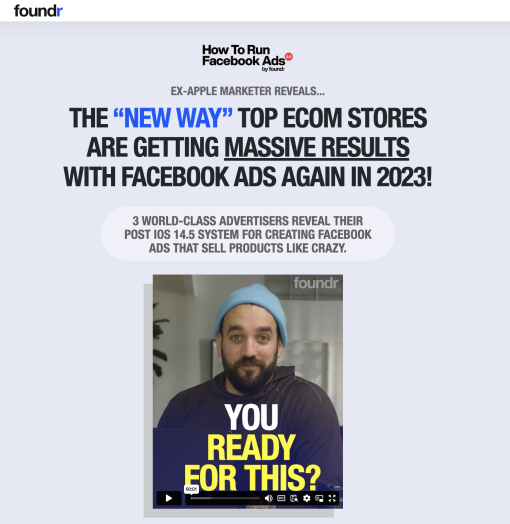
How to Run Facebook Ads 2.0 by Nick Shackelford gives learners a structured system for building better campaigns. The course explains the foundations, funnel stages, creative strategy, troubleshooting, and modern Facebook advertising changes. Therefore, students can approach ads with more confidence and fewer costly mistakes.
The training helps beginners understand where to start. It also supports growing advertisers who want stronger campaign structure and better decision-making. As a result, learners can build campaigns with clearer targets and a more organized process.
Why How to Run Facebook Ads 2.0 Matters
Facebook ads can become expensive when advertisers follow bad advice. Many myths still spread online, and some of them can waste budget quickly. Because of that, this course starts by challenging common ideas that hurt performance.
How to Run Facebook Ads 2.0 teaches important terms, account setup, margins, ROAS targets, dashboards, and funnel basics. These foundations help students understand the numbers before they scale. Moreover, they learn how to create a setup that gives campaigns a better chance from day one.
This matters because good advertising starts before the first ad goes live. A proper account structure, clear targets, and accurate tracking can shape campaign performance. Therefore, the early modules focus on building the right base.
Mastering the Facebook Ad Foundations
The first module helps learners understand the must-know basics. It covers Facebook ad myths, key terms, margin planning, target setting, account setup, and dashboard creation. In addition, it explains the Facebook funnel in a simple way.
This section works well for beginners who ask where to start. It also helps experienced advertisers review important fundamentals. After all, weak foundations often create problems later.
Students learn how to set realistic targets. They also discover why margin matters before spending money on ads. Consequently, they can judge performance with more clarity.
Top of Funnel Prospecting
Prospecting helps advertisers reach new people. Since many brands spend a large share of their budget at this stage, poor targeting can waste money fast. However, strong prospecting can bring the right traffic into the funnel.
How to Run Facebook Ads 2.0 explains how to find target markets, even when they seem hard to reach. The module covers media planning, naming conventions, campaign structures, audiences, tests, creative examples, and launch demos.
This section helps students understand how to build prospecting campaigns with purpose. Instead of guessing, they can use templates and proven structures. Therefore, they can attract better traffic from the beginning.
Middle of Funnel Re-Engagement
Once people discover a brand, they may need more touchpoints before buying. That is where middle-of-funnel campaigns become useful. They help re-engage users who showed interest but have not converted yet.
The course explains how to structure re-engagement campaigns. It also covers audiences, traffic destinations, copy differences, creative examples, and full funnel connection. As a result, students learn how to guide interested prospects toward stronger action.
Re-engagement can support sales because it builds familiarity. Moreover, it gives advertisers another chance to answer questions, show value, and deepen trust.
Bottom of Funnel Remarketing
Remarketing targets people who already took meaningful actions. They may have visited a website, viewed a page, or interacted with an offer. Since these people already know the brand, the messaging can become more direct.
How to Run Facebook Ads 2.0 teaches campaign structures, remarketing audiences, ad sets, traffic destinations, creative examples, and copy examples. This helps learners create ads that bring prospects closer to purchase.
Bottom-of-funnel strategy matters because warm audiences often convert better. However, advertisers still need the right message. Therefore, the course shows how to connect user behavior with stronger ad content.
Ad Creative That Converts
Creative can make or break a campaign. Even with strong targeting, weak ads may fail to capture attention. Because of that, Nick Shackelford includes a full module on high-converting ad creative.
Students learn an Ad Creative Framework used across client campaigns. The course covers copy formulas, image and video breakdowns, message match, branding ads, direct response ads, and creative toolkits.
Strong creative should connect the ad and landing page. When the message matches across the user journey, people feel less confusion. Consequently, they may trust the offer more.
The course also explores different creative formats, including:
- Static ads
- Narrative ads
- Influencer whitelisting
- Creative testing
- Manual bidding
- Advantage Shopping+
These topics help advertisers build a creative testing process. In addition, they support stronger campaign decisions across multiple stages.
Troubleshooting and Avoiding Costly Mistakes
Every advertiser faces problems. Campaigns can underperform, ads can get disapproved, and dashboards can show confusing numbers. However, strong troubleshooting helps advertisers respond without panic.
How to Run Facebook Ads 2.0 gives learners a framework for solving common ad problems. It covers roadblocks, dashboard review, decision-making, disapproved ads, major event campaigns, and trusted advice.
This module helps students ask better questions. Is the problem the ad, the offer, the audience, or the landing page? Moreover, it teaches them how to avoid blaming the wrong part of the funnel.
Thriving in the New Facebook
Facebook advertising has changed over time. Privacy updates, tracking changes, and platform automation have changed how advertisers work. Therefore, the course includes lessons on thriving in the new Facebook environment.
Students learn about first-party data, modern advertising strategies, traffic growth, conversion improvement, and lifetime value. These lessons help advertisers think beyond short-term clicks.
The course also introduces nine Facebook advertising strategies. These strategies support stronger planning across customer acquisition and retention. As a result, learners can build campaigns that work with current platform behavior.
Who Should Study How to Run Facebook Ads 2.0?
This course can help entrepreneurs, marketers, media buyers, and business owners. It suits beginners who need clear direction. It also supports advertisers who want better funnel strategy and creative testing.
How to Run Facebook Ads 2.0 may fit people who want to:
- Launch Facebook ads with stronger foundations
- Understand prospecting, re-engagement, and remarketing
- Improve ad creative and copy
- Set better ROAS and margin targets
- Troubleshoot campaign problems
- Adapt to modern Facebook advertising changes
Because the course covers many campaign stages, learners can use it as a full advertising roadmap. Additionally, they can revisit specific modules whenever problems appear.
Final Thoughts
How to Run Facebook Ads 2.0 gives learners a practical system for Facebook advertising. It covers foundations, funnel stages, creative strategy, troubleshooting, and modern platform tactics. More importantly, it helps advertisers replace guesswork with structured decisions.
For more digital business and marketing resources, visit WSO Download Hub. The site provides organized learning options for people who want to grow online skills. You can also explore the full collection of WSO Downloads to find more useful training programs.
To continue studying Meta ads from another advanced perspective, explore Konstantinos Doulgeridis – The Best Meta Ads Course in the World. This related course can help you deepen your understanding of Meta ad optimization and scaling.
Sales Page
Download Link for VIP Membership Users:
Download Now
About The Author